

Popunder Ad Networks for Affiliates: 15 Sources to Test

Independent and reader-supported. Some links here are affiliate links: if you sign up through them, we may earn a commission at no cost to you. It never changes our scores or verdicts. Affiliate disclosure
Contents 11
The companies in this top
Editorial order · places are not for sale- Not rated yetVisit site Official site
- Not rated yetVisit site Official site
- Not rated yetVisit site Official site
- Not rated yetVisit site Official site
- Not rated yetVisit site Official site
- Not rated yetVisit site Official site
- Not rated yetVisit site Official site
- Not rated yet
- Not rated yet
Traffic source
Visit site Official site - Not rated yetVisit site Official site
- Not rated yetVisit site Official site
- Not rated yetVisit site Official site
- Not rated yetVisit site Official site
- Not rated yetVisit site Official site
- Not rated yetVisit site Official site














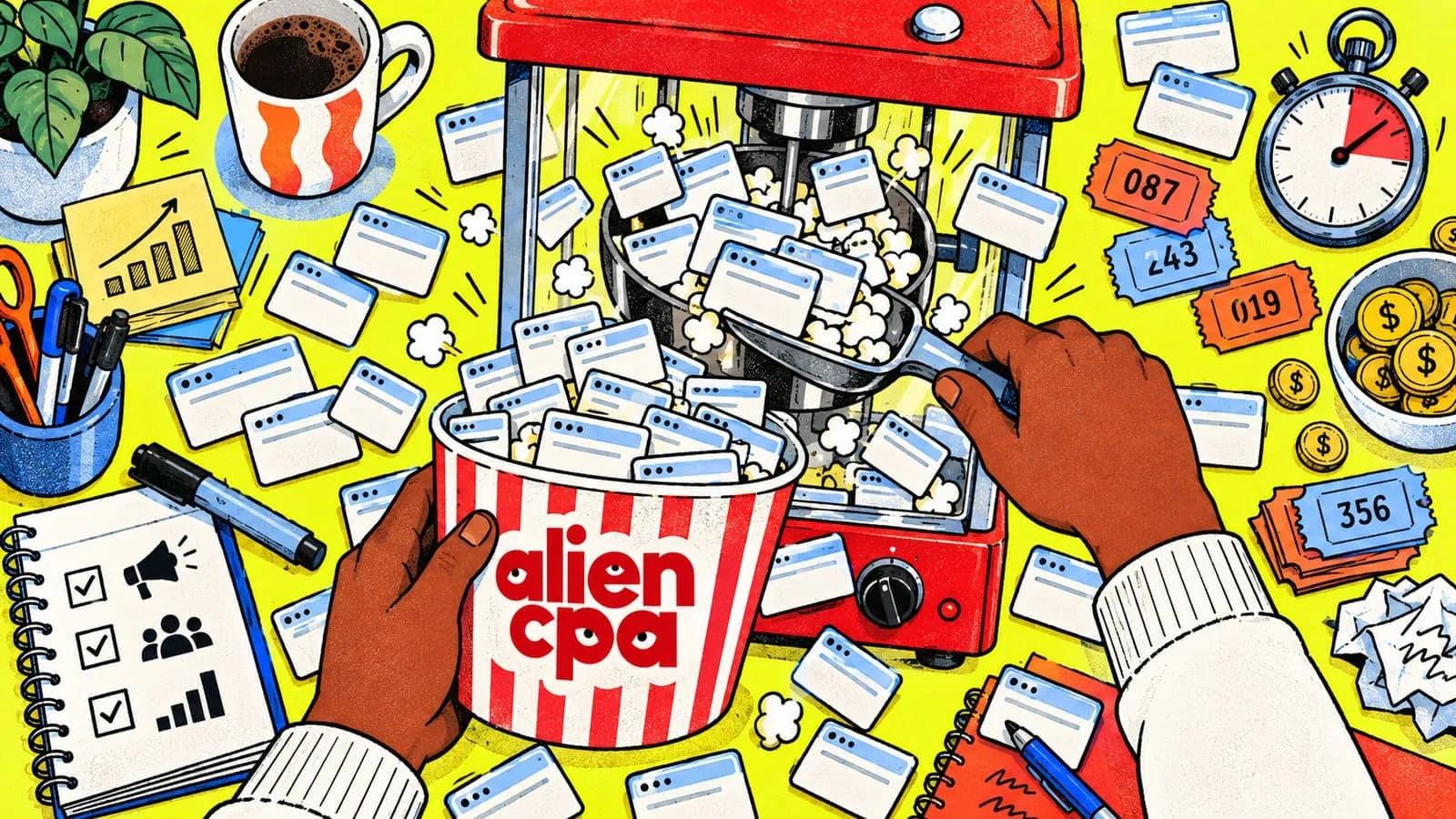
Popunder traffic is the entry point of many media buyers: cheap impressions, almost no creative work and volume in nearly every GEO. It's also low-intent traffic, and the network you pick decides a lot: how much volume it has in your GEO, how clean its zones are and how easily you can cut the bad ones.
This list covers 15 networks that sell pops, grouped by what they're best known for. The order is editorial and nobody paid for a place. Use it to build a shortlist of two or three to test, not to pick a "number one".
What popunder traffic is
A popunder opens a new window or tab behind the page the user is reading. They see it when they close or switch the current window. A popup, by contrast, opens on top of the page. Most affiliate "pop" traffic today is popunder, bought on a CPM basis.
Why affiliates use it:
- Cost: among the cheapest formats per thousand impressions, which makes mass testing affordable;
- no creative needed: the user lands straight on your page, so you test angles on the pre-lander instead of banners;
- reach: large volumes in Tier-2 and Tier-3 GEOs, and decent volume in Tier-1;
- verticals: sweepstakes, PIN and email submits, utilities, VPNs, app installs, iGaming and e-commerce promos.
The catch: the user didn't click on an ad. They were interrupted. Conversion depends on a fast, clear pre-lander and an offer with a simple action.
Mainstream all-rounders
Networks with many formats (pops, push, native and more) and broad mainstream inventory. Good when you want to move a winning test from pops to another format without switching platforms.
PropellerAds. A large self-serve network with popunder, push notifications and native formats, high traffic volumes and detailed campaign data.
Adsterra. Multiple ad formats including popunder, global reach, advanced targeting and performance analytics; accepts several payment options, including crypto.
RichAds. Push, popunder and native traffic with advanced targeting, auto-optimization and fraud-detection tools.
Adcash. A large network with popunder and push, broad targeting, detailed analytics and anti-fraud filters.
AdMaven. Multiple ad formats with high traffic volume, advanced targeting and real-time reporting in a user-friendly interface.
Pop specialists
Networks where pops are the core product or one of the main ones.
PopAds. One of the oldest pop-only networks: flexible bidding, real-time stats, targeting options and anti-fraud filters.
Galaksion. A self-serve network with real-time bidding, targeting and detailed analytics, built on direct publishers; formats include popunder, push, in-page and native.
HilltopAds. Several formats including pops, competitive pricing models, GEO targeting and real-time reporting.
Reacheffect. A pop and push network with its own optimization features, targeting and detailed performance reports.
OnClickA. Popunder alongside in-page push, interstitials and mobile traffic, with targeting and real-time reports.
DAO.AD. Formerly known as Daopush: popunder, push, in-page push, video and native formats, with advanced targeting and several payment options.
Push.House. Best known for push traffic, it also sells onclick (popunder) traffic with targeting, real-time stats and anti-fraud tools.
Adult-first networks
Networks with the deepest adult and dating inventory. Mainstream offers can work there too, but these sources shine with adult, dating and entertainment funnels.
ExoClick. One of the biggest self-serve networks, with billions of daily impressions, real-time bidding, every major format and strong anti-fraud. See our full ExoClick review.
TwinRed. Formerly DoublePimp: adult and dating traffic with robust targeting, optimization tools and real-time reporting.
ClickAdilla. Multiple traffic sources and formats with easy campaign management, targeting and real-time stats.
How to choose between them
- Volume in your GEO. Check each network's traffic estimator or ask a manager for daily impressions in your GEO and device. A great network with no volume in your country is useless to you.
- Traffic quality and anti-fraud. Look at how the network handles bots, and verify it yourself: compare the network's clicks with your tracker's landing views.
- Targeting. At minimum: GEO, device, OS, browser, language, carrier, and site or zone lists for blacklisting.
- Self-serve tools. Zone-level stats, whitelists and blacklists, frequency capping, a postback.
- Reputation. Read what other affiliates say about payouts and support, and check the network's history.
Pricing models
- CPM (cost per mille): you pay per 1,000 impressions. The standard for pops.
- CPA (cost per action): some networks offer optimization towards a target action; you still need a working postback.
How to make pop traffic convert
- Pre-lander first. A fast, mobile-friendly page with one clear message and one call to action. It warms the user up and filters out accidental visits.
- Fast landing page. Every second of loading loses a share of pop users.
- Frequency capping. Don't show the same user your pop again and again; it burns money and patience.
- Blacklist and whitelist. Zones that cost money without conversions go to the blacklist; zones that convert go to a whitelist campaign with higher bids.
- Track properly. Tracking pixels or a postback, and a tracker that shows cost per landing view, not just clicks.
- Measure the right thing. Pop CTR means little. Measure cost per qualified landing view and per first funnel event.
Budgeting your first tests
Don't spread a small budget across all fifteen. Pick two or three networks that fit your GEO and vertical, give each $50–$100 on the same offer and pre-lander, and compare cost per first funnel event after a few days. Scale the winner, keep the runner-up as a backup, and drop the rest.
Checklist: what to do
Questions and answers
What's the difference between a popup and a popunder?
A popup opens on top of the page the user is reading. A popunder opens a new window or tab behind it, so the user sees it when they close or switch the current window. Most affiliate 'pop' traffic today is popunder.
Which verticals work on popunder traffic?
Offers with a simple conversion: sweepstakes and PIN or email submits, utilities, VPNs, app installs, iGaming and e-commerce promos. Complex or expensive offers rarely convert on cold pop traffic.
How are pops priced?
Mostly CPM (per thousand impressions), sometimes with CPA or smart-bidding options. Pops are among the cheapest formats per impression, which is why they suit mass testing.
Do popunders get past ad blockers?
Some networks claim their pops show to part of the ad-block audience. Don't plan a funnel around it: treat any such reach as a bonus and measure it in your own stats.
How much should I spend on a first test?
Around $50–$100 per network, GEO and offer. That's enough to see whether the network has volume for your GEO and to build a first blacklist, without burning a big budget on a source that doesn't fit.
Author’s conclusion
Popunder is the most forgiving way to test offers at scale: cheap impressions, simple creatives (usually none), and volume in almost every GEO. It's also low-intent traffic that punishes weak funnels. The networks on this list all sell pops; what separates them for you is their volume in your GEO, the quality of their zones and the tools they give you to cut the bad ones.
My advice: shortlist two or three networks by vertical (adult-first or mainstream) and GEO, run small parallel tests with the same pre-lander, and keep only the source that gets you to a profitable cost per first funnel event.
Lu Discover, Editor-in-chief
The same list, in short
Editorial order · places are not for sale- Not rated yetVisit site Official site
- Not rated yetVisit site Official site
- Not rated yetVisit site Official site
- Not rated yetVisit site Official site
- Not rated yetVisit site Official site
- Not rated yetVisit site Official site
- Not rated yetVisit site Official site
- Not rated yet
- Not rated yet
Traffic source
Visit site Official site - Not rated yetVisit site Official site
- Not rated yetVisit site Official site
- Not rated yetVisit site Official site
- Not rated yetVisit site Official site
- Not rated yetVisit site Official site
- Not rated yetVisit site Official site
Sources for this article
- aliencpa.com — Original list (December 2024), rewritten
Related stories
 Top list
The Affiliate Rich List 2026: Who Owns the Networks, and What It's Worth
 Guide
GuideHow Much Budget Do You Need to Test an Offer? What $100 Can and Can't Tell You
 Case fact-check
Comments
0 commentsNo comments yet.
Add a comment