
SPARK 2026 Recap: SEO vs AI Search, and the Affiliate Question Nobody Answered

Contents 12
The same question came from the floor at SPARK 2026 again and again: with the new rules from regulators and lawmakers, how can a streamer, a blogger or a gambling site owner work with brands and affiliate programs legally in Europe? After 2 days and 13 sessions, nobody on stage had a ready answer.
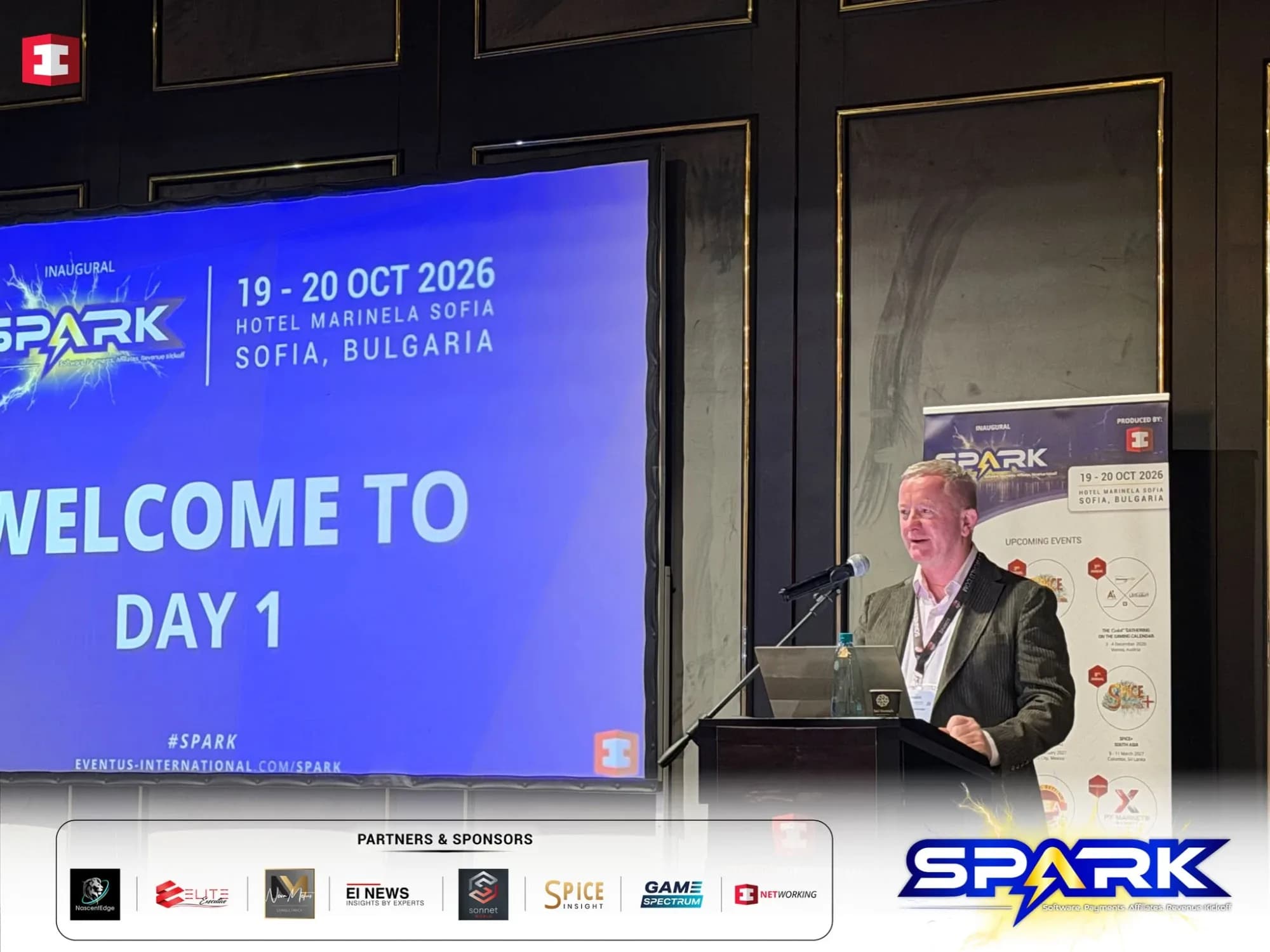
SPARK (Software, Payments, Affiliates, Revenue Kickoff) was the first edition of Eventus International's summit, held on October 19-20, 2026, at Hotel Marinela in Sofia. Below: what each day covered, the SEO argument that ran through day 2, the affiliate question, what Bulgarian law actually says about it (I read the text), and why "wait until January" is more honest advice than it sounds.
SPARK 2026 at a glance
A small, Bulgaria-focused summit with a programme tilted toward regulation. Operators, affiliates, payment specialists, lawyers and tech vendors met for 2 days of panels, roundtables and keynotes, with a networking evening after day 1.
- Dates and venue: October 19-20, 2026, Hotel Marinela Sofia, Bulgaria
- Organiser: Eventus International, the company behind the SPiCE events
- Day 1, October 19: Product, Payments & Acquisition, 6 sessions
- Day 2, October 20: Scaling with Confidence, 7 sessions
- Chairperson: Robert Brassai (Sense4Gaming) opened both days
Day 1: crypto rules, retention and the EU AI Act
Day 1 was the operator's view of the market. Here's the programme as the organiser's recap lists it:
Session | Speakers |
|---|---|
Navigating MiCA: A Legal Roadmap for Crypto & Digital Assets in CEE | Konstantin Mikov, Mikov & Attorneys |
Retention Over Acquisition: Are We Rethinking Growth Strategies Fast Enough? | Georgi Stoianov (PaymentIQ), Henk Wolff, Nikolay Tonev (Noreeva Technology Group), Uliana Korobeynikova |
Responsible AI in Marketing: Navigating the EU AI Act Without Killing Performance | Georgi Kanev (Kanev Lukaev Tech Law), Martin Georgiev (Flutter Bulgaria) |
Retail Gaming in a Digital-First World | Robert Brassai (Sense4Gaming), Robert Stoica (WinBet) |
The Nevis Online Gaming Framework: Governance, Licensing and Market Access | Hristo Koevski, Nevis Online Gaming Authority |
Balancing Compliance and UX in Multi-Jurisdiction Markets | Atanas Valov (Valov & Licheva), Liliya Tsoncheva (LT Law Bulgaria), Martin Yakimov (Velchev & Co.) |
For an affiliate, the retention roundtable was the one to note. The question on stage was whether the industry is moving from chasing new players to keeping the ones it has. If operators really move budget from acquisition to retention, that's budget that used to pay for CPA. The rest of day 1 was legal and operational: crypto payments under MiCA, AI in marketing under the EU AI Act, land-based retail and a licence pitch from the Nevis regulator.
Day 2: the affiliate day
Day 2 was the one built for us, at least by its titles. SEO, affiliate partnerships and Bulgarian regulation all landed on October 20:
Session | Speakers |
|---|---|
Keynote. The Zero-Click Player: How Changing Web Dynamics & AEO Are Redefining the iGaming User Journey | Dimitar Dimitrov, SocialScore.io |
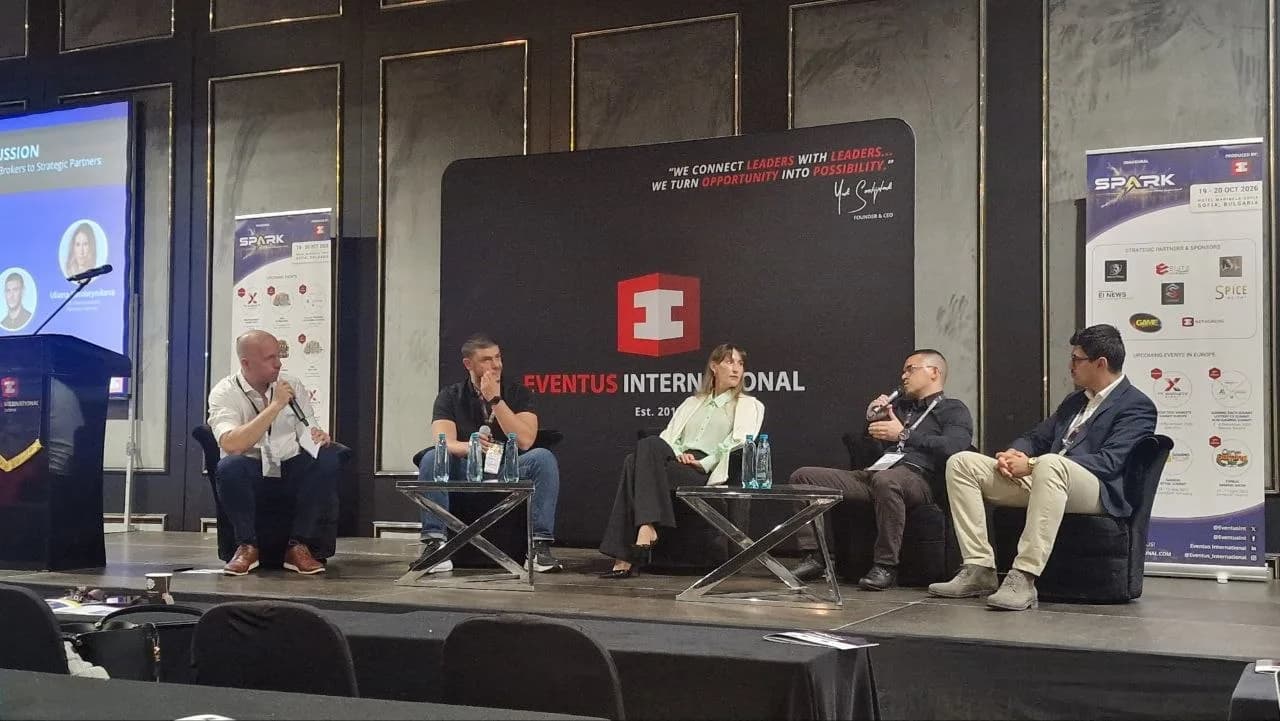
The Affiliate Power Shift: From Traffic Brokers to Strategic Partners | Moderator Josef Weirauch (ex-BitMEX); Kristiyan Kyulyunkov (Websa), Nicolo Valchev (efbet), Radoslav Georgiev (Gambling SEO Services), Uliana Korobeynikova |
Post-SEO Acquisition Strategies | Kalin Karakehayov (Seo.Domains), Radoslav Georgiev, Temelko Dechev (ExpandX Marketing & Web) |
Fireside. Turning Strategy into Revenue: What Works in Modern iGaming Operations | Atanas Popivanov (ImperiaBet), Georgi Stoianov (PaymentIQ), Nikoleta Hristova (Vegas Legends) |
Channelisation, Competition and Tax Yield: Lessons from CEE Licensing Models | Olga Polishchuk, iGaming regulatory compliance consultant |
Regulatory Innovation: Proactive vs Reactive Compliance | Aleksandar Popov (former Director, Supervision of Gambling Activities, Bulgaria's National Revenue Agency), Vasil Stumbov (iGaming Bulgaria) |
Lessons Learned and the Road Ahead: Strategies for Resilient Growth | Hanna Plachkova (The Persona Lab), Josef Weirauch |
SEO after AI search: did anything really change?
The SEO argument ran through the whole of day 2. It started with the keynote on the "zero-click player" and continued in a panel literally called Post-SEO Acquisition Strategies. Underneath it was 1 question: is it true that SEO techniques haven't changed much since AI search arrived?
The "nothing much changed" side has Google on it. Google's own guide for site owners says: "The best practices for SEO remain relevant for AI features in Google Search (such as AI Overviews and AI Mode)." And then, in bold: "There are no additional requirements to appear in AI Overviews or AI Mode, nor other special optimizations necessary."
The other side says the techniques may be the same, but the prize isn't. Temelko Dechev put it this way after the Post-SEO panel:
My key takeaway is that we're moving beyond an era where visibility was measured primarily by search rankings and clicks — towards one where AI-driven discovery, brand authority, and customer trust will increasingly determine who gets recommended, who gets noticed, and ultimately, who gets chosen.
And then there's the side that games it. Kalin Karakehayov of Seo.Domains runs GigaLinks, a service that, as he put it on the panel, "floods our network of 30,000 websites" with mentions of a client's brand. In his view, the authority classic SEO is built on barely counts in AI answers:
For the AI, there's no such thing as huge authority... it's just language. So if you have a lot of mentions of your entity that say you're the best, the AI thinks you're the best and starts promoting you.
His example: 1 client got Google's AI Overview for "best cyber security consultant in Bulgaria" to recommend 7 companies, with all 7 sources pointing to the client's own website, where he wrote about his competitors. Earlier on the panel, Kalin noted that "there are no penalties for the moment for trying to get into LLM answers using brute force". His conclusion after the example: "Probably there will be some limitations in the future, but for now it's the wild west."
I think all of them are right for now, and that's the uncomfortable part for affiliates. The work Google asks for is the same: crawlable pages, useful content, links, a site people trust. The shortcut is new: mentions in volume, which AI answers trust more than they should until those limitations arrive. And either way, what changed is who gets the click. An AI answer can use your casino review and send the player straight to the brand, and an affiliate paid per player earns nothing from a mention without a click. The techniques survived AI search; the affiliate business model is what's being tested. So the pages worth building now are the ones a player still has to open: fresh bonus terms, tested withdrawal times, payment method checks, the details a summary flattens.
The question from the floor: how do affiliates work legally?
The sharpest question at SPARK didn't come from the stage. It came from the audience, and it came back in session after session: with the new rules from regulators and lawmakers, how can streamers, bloggers and gambling site owners legally work with brands and affiliate programs in Europe?
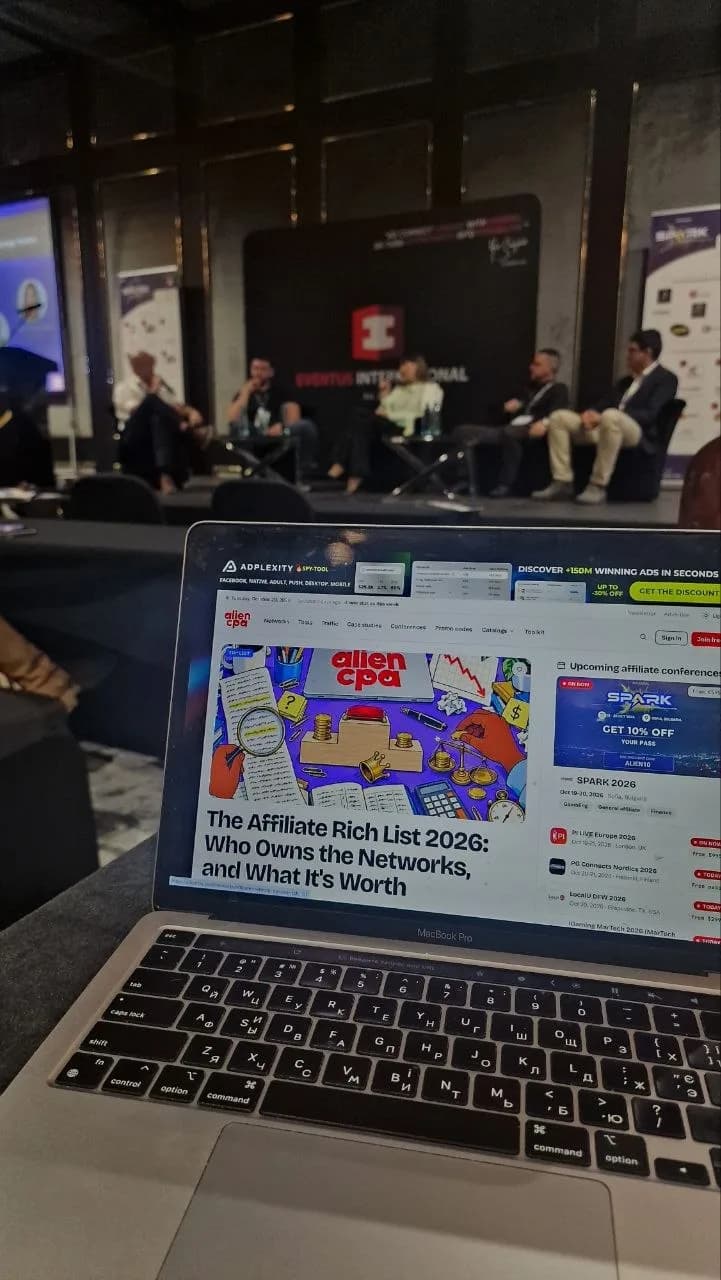
I heard 3 kinds of answers, and none of them was complete:
- Gambling brands steered the conversation to licensing their own brands. They were careful: they said they give bloggers the freedom to sort out their legal status themselves. They're also ready to take traffic from streams and blogs.
- Marketing and SEO agencies prefer to work with gambling brands as clients, not on affiliate terms, and the messy regulation is part of the reason.
- The regulator's side of the room advised waiting: for the elections and for January 2027. Aleksandar Popov, the former Director of Supervision of Gambling Activities at Bulgaria's National Revenue Agency, said that even the government doesn't know yet how the affiliate rules will work in practice.
The brands are waiting too, and they say so. Asked from the floor whether efbet would drop affiliates and influencers for deals with big platforms, Nicolo Valchev said that in Greece, where efbet is also licensed, "a few of the biggest" sports commentators already promote the brand. Bulgaria is a different story:
With regards to Bulgaria, again we are waiting to see the changes in the law... I cannot tell you exactly how we are going to adapt because we don't know to what final law we will need to adapt.
So the honest answer from SPARK is "nobody knows yet". But some of it can be known, because Bulgaria, the host country and the market most people in the room work with, has a law in force and a draft to replace it. I read both.
What Bulgarian law says, and what the draft would change
Bulgaria has had an affiliate licence since August 1, 2026, and a draft that would cancel it on January 1, 2027. Side by side:
Rule | Law in force since August 1, 2026 | Draft, from January 1, 2027 |
|---|---|---|
Affiliate licence | Mandatory for anyone paid by results: players, deposits, bets, winnings paid out | All affiliate licences revoked (§ 79) |
Cost | EUR 6,000 a year, paid by March 31, plus 10% of every performance-linked commission | Nothing: the licence no longer exists |
Fixed-fee ads, media, tech services | Not affiliate work, if the pay doesn't depend on results | Gambling ads banned "regardless of the form, manner and place of distribution" (§ 8) |
Blocking by the NRA | Websites, apps, social profiles, video and streaming platforms of unlicensed affiliates | The same, for anyone who advertises gambling (§ 11) |
Fines | EUR 5,000-20,000 for promoting through an unlicensed affiliate | EUR 10,000-20,000 for a person, EUR 20,000-50,000 for a company that publishes gambling ads (§ 52) |
The 10% is withheld by the operator, not paid by you. Under Art. 30a of the Gambling Act, the operator that accrues your commission keeps 10% of it and pays it to the National Revenue Agency (NRA) every month, by the 15th of the following month. The EUR 6,000 is yours to pay, by March 31 each year, or before you get the certificate if you're licensed later in the year.
The 10% replaces income tax on that commission. The same article says commission income on which the 10% has been paid isn't taxed again under the corporate or personal income tax acts, and the costs linked to it can't be deducted. In practice it's EUR 6,000 a year plus a flat 10% of gross commission.
A fake fixed fee is charged at 20%. If a sham deal hides a performance-linked commission, the variable part of the fee goes up from 10% to 20%. That's the line the agencies at SPARK walk: a real fee for a real service is outside the affiliate regime, a "fixed fee" that's really CPA or RevShare isn't.
"It's up to the blogger" doesn't move the risk to the blogger. Since August 1, the Gambling Act bans promoting gambling through affiliates without a licence (Art. 9(19)) and sets a EUR 5,000-20,000 sanction for it, 2x for a repeat. As I read it, a brand that takes traffic from an unlicensed streamer is on the wrong side of that line too.
Streamers are named outright: the NRA can order blocking of the "video and streaming platforms" of unlicensed affiliates, and internet providers have to cut access to blocked sites within 24 hours.
Why "wait until January" is honest advice
On stage it sounded like a dodge. On paper it's the calendar. Here's where things stand on November 5:
- The elections are over. Bulgaria voted for a president on October 25, with a run-off on November 1.
- The draft hasn't moved in public. The Ministry of Finance's consultation closed on October 23 with 59 comments. The page still shows only the September version of the draft and no summary of the comments.
- Brussels asked the same question as the SPARK audience. On October 15, the European Commission asked Bulgaria whether the advertising ban in § 8 would apply to online services established in other EU countries and to online platforms under the Digital Services Act, and asked for a reply by October 28.
- January 1 is the date everything hangs on. If the draft passes as published, affiliate licences end that day, before the next EUR 6,000 annual fee falls due on March 31.
So an affiliate licensed in August paid EUR 6,000 for a licence that, under the draft, would live 5 months. Nobody at SPARK could promise the draft will change, and nobody could promise it won't. That's why Aleksandar Popov told the room to wait.
Payments and lawyers are looking past Bulgaria
The service side of the room was already thinking regionally. Law firms and payment consultants at SPARK were actively expanding into the Balkans and Bulgaria's neighbours: Romania, Greece, Hungary and Moldova. Companies from further away came to look too: a payment provider from Vietnam and a gambling brand from Venezuela were in Sofia to scout the Bulgarian market.
Greece is the neighbour Bulgarian brands already know. efbet opened its Greek site about 2 years ago and its affiliate program there 6-7 months ago, according to Nicolo Valchev. His read on the market:
It's a very lucrative market still, definitely. It's a much more developed market than, for example, Bulgaria... But yes, this month we have seen some blacklists.
For an affiliate, that region isn't 1 market. It's 5 rulebooks with 5 regulators, and if your Bulgarian plans freeze in January, the neighbours are the obvious next step. Check each GEO separately before you follow the payment providers in.
The venue: a session hall, a networking hall and peacocks
Eventus picked the location well. There was a comfortable hall for the sessions and a separate hall for networking, so conversations didn't have to compete with the panels. That suited the format the organisers were going for:
SPARK is where industry leaders gather in an informal setting to shed light on topics that aren't usually discussed at massive events. This creates the perfect environment where thoughts and best practices across affiliates, operators, and legislation can be shared in an approachable way.
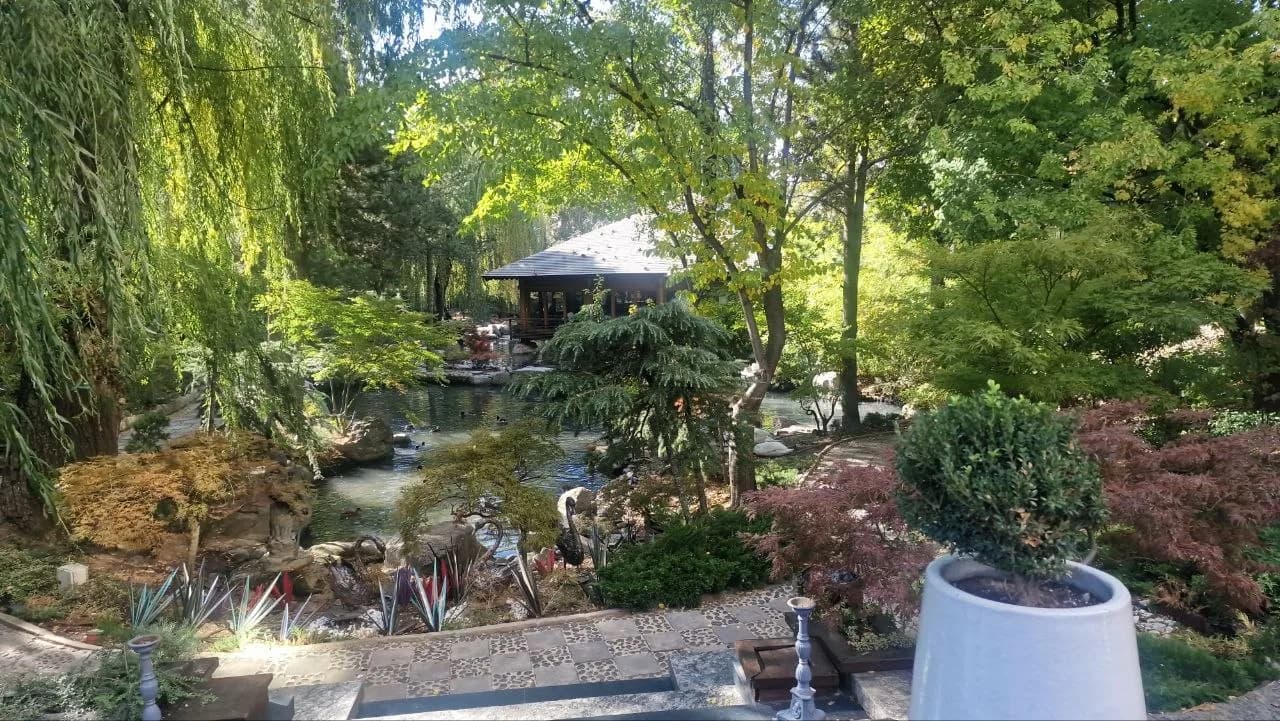
The best room, though, was outside. Next to the halls is a beautiful Japanese restaurant and garden. The hotel says the garden was modelled on the 400-year-old Japanese garden of Hotel New Otani in Tokyo. There's a lake with swans, geese and ducks, and peacocks walking around like they own the place. All of it sits on the grounds of the casino hotel, in the middle of Sofia. If you have to explain your chargeback rate to a payment provider, a pond with black swans is a softer backdrop than an expo floor.
Checklist: what to do
Questions and answers
When and where was SPARK 2026?
On October 19-20, 2026, at Hotel Marinela Sofia in Bulgaria. It was the first edition of SPARK (Software, Payments, Affiliates, Revenue Kickoff), organised by Eventus International, with 13 sessions over 2 days.
What did SPARK 2026 cover?
Day 1 covered crypto regulation under MiCA, player retention, the EU AI Act in marketing, retail gaming, the Nevis licence and compliance across jurisdictions. Day 2 covered SEO and AI search, affiliate partnerships, operator revenue, licensing models in Central and Eastern Europe and Bulgarian regulation.
Has AI search changed SEO?
Google says the SEO best practices remain relevant for AI Overviews and AI Mode, with no additional requirements or special optimizations. Speakers at SPARK argued that visibility is moving from rankings and clicks to being recommended by AI, which matters most for affiliates paid per click or per player.
How much does a gambling affiliate licence cost in Bulgaria?
EUR 6,000 a year, paid by March 31, plus 10% of every performance-linked commission. The operator withholds the 10% and pays it to the NRA monthly. If a sham deal hides a performance-linked commission, the rate is 20%.
Can streamers and bloggers promote gambling in Bulgaria?
On CPA or RevShare, only with an NRA affiliate licence: the law names video and streaming platforms among the channels the NRA can block. Fixed-fee advertising isn't affiliate work, but Bulgaria's general advertising restrictions still apply, and the draft would ban gambling ads in any form.
Will Bulgaria cancel affiliate licences?
The Ministry of Finance draft would revoke all affiliate licences from January 1, 2027. As of November 5, 2026, it's still a draft: the consultation closed on October 23, and the European Commission has asked Bulgaria to clarify who the advertising ban would apply to.
Author’s conclusion
SPARK's first edition got the topics right. SEO after AI search is the question every content affiliate is asking, and the room kept coming back to the legal one. The stage answered the first with a debate and the second with a shrug, and after reading the law I understand the shrug better: Bulgaria gave affiliates a paid licence on August 1, and its own Ministry of Finance wants to take it away on January 1.
My advice: if you work Bulgaria on results, get the licence and the paperwork right under the current law, don't let a brand's "it's up to you" stand in for a licence check, and don't commit 2027 budgets until the draft is either passed or rewritten. If you're there next year, take your questions to the networking hall, and say hi to the peacocks.
Lu Discover, Editor-in-chief
Sources for this article
- eventus-international.com — Eventus International press releases "SPARK 2026 Opened in Sofia as Industry Leaders Took On Regulation, Retention and Responsible Growth" (October 19, 2026) and "SPARK 2026 Concludes: Scaling With Confidence, One Conversation at a Time" (October 20, 2026): sessions, speakers and quotes
- eventus-international.com — aliencpa: the editor's audio recordings from SPARK 2026 day 2: audience Q&A at The Affiliate Power Shift and the Post-SEO Acquisition Strategies panel, quotes of Nicolo Valchev and Kalin Karakehayov (October 20, 2026)
- developers.google.com — Google Search Central: AI features and your website (checked November 5, 2026)
- lex.bg — Gambling Act, consolidated text: Art. 9(19)-(20), Art. 17(1) item 9a and (6), Art. 30a, Art. 97b and § 1 items 30-31 of the additional provisions, as amended by State Gazette No. 69 of 2026
- strategy.bg — Ministry of Finance: public consultation on the draft amendments to the Gambling Act, September 23 - October 23, 2026 (checked November 5, 2026)
- strategy.bg — Draft act text: § 8 (advertising ban), § 11 (blocking), § 52 (fines), § 79 (affiliate licences revoked), § 82 (entry into force)
- technical-regulation-information-system.ec.europa.eu — TRIS notification 2026/0536/BG and the Commission's request for supplementary information of October 15, 2026
- bta.bg — Parliament schedules presidential election for October 25, run-off on November 1
- hotel-marinela.com — Hotel Marinela Sofia: the Japanese Garden
Related stories
 News
Top Women in Media & Ad Tech 2026: 184 Honorees and the Ad Tech Businesses Growing Fastest
 Guide
How Much Budget Do You Need to Test an Offer? What $100 Can and Can't Tell You
 Analysis
Comments
0 commentsNo comments yet.
Add a comment